Real Estate Pro: Scripted success with the Mojo Dialer
We wanted to find out if sales people were still using scripts while prospecting by phone. We polled our customers and were surprised by how many of our users were...
I’ve been with Mojo Selling Solutions for close to two decades now. In that time, I’ve watched the dialing industry go through more shifts than I can count, from the early days of analog predictive dialers to cloud-based power dialers, from paper lists to integrated CRMs, and most recently, from an era where nobody talked about spam tagging to one where it feels like every conversation starts there.
And I get it. Spam tagging is real. It’s frustrating. You dial 200 numbers and feel like you’re shouting into a void. The natural reaction is to assume your caller ID is getting flagged and nobody’s seeing your calls. Sometimes that’s true. But after 18 years of watching calling patterns, talking to thousands of customers, and working closely with some of our most active users to benchmark their data, I can tell you with confidence, spam tagging is only part of the story. And in many cases, it’s not even the biggest part.
The habits that were killing contact rates before spam tagging existed? They’re still here. They’ve just gotten easier to ignore because now there’s a convenient scapegoat.
Before I go any further, let me be clear. I’m not dismissing spam tagging as a concern. Carriers and third-party analytics companies are actively flagging numbers, and it absolutely affects answer rates. That’s exactly why we built Reputation Guard, a free service for every Mojo Dialer subscriber that registers your caller IDs with major carriers, achieves STIR/SHAKEN Attestation A (when using Mojo Caller ID’s), monitors for spam flags, and initiates appeals automatically when they pop up.
It works. It’s running in the background for our users right now, and it’s doing its job.
But here’s the thing, even with clean, whitelisted caller IDs, some of our customers still see low contact rates. And when we dig into the data with them, the answer almost always lives somewhere other than spam tagging.
So let’s talk about what’s actually going on.
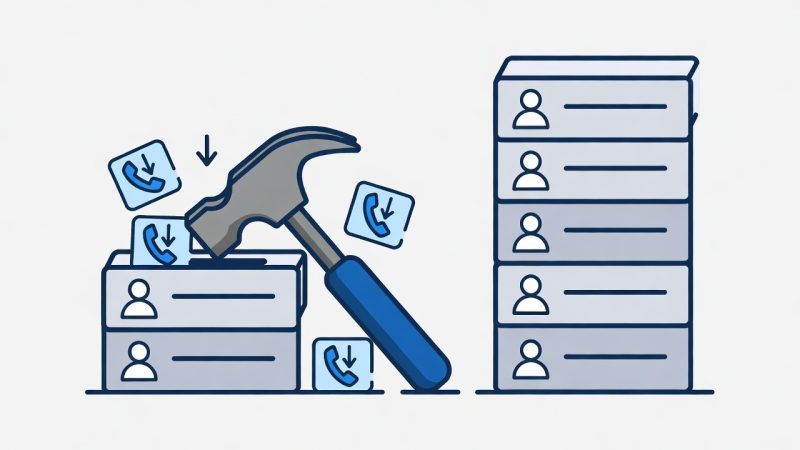
This is the single most common issue I see, and it’s been around since long before anyone knew what a spam tag was.
Here’s how it usually plays out. You load a list of 500 contacts. You start calling from the top. You get through maybe 150–200 before your session ends. Tomorrow, you start from the top again. And the next day. And the next.
What happens? The first 150 names on that list are getting hammered, three, four, five times a week. The bottom 300? They’ve never been called once. You’ve essentially split your list into two groups without realizing it:
This isn’t a spam tagging problem. This is a list management problem. And it’s been happening since the first autodialer was plugged into a phone line.
The fix is straightforward. Mojo offers a calling mode that picks up from where you last left off, prioritizing any new leads that have come in since your last session. This means you’re always working fresh contacts first while steadily moving through the rest of your list instead of beating the same 150 names into the ground.
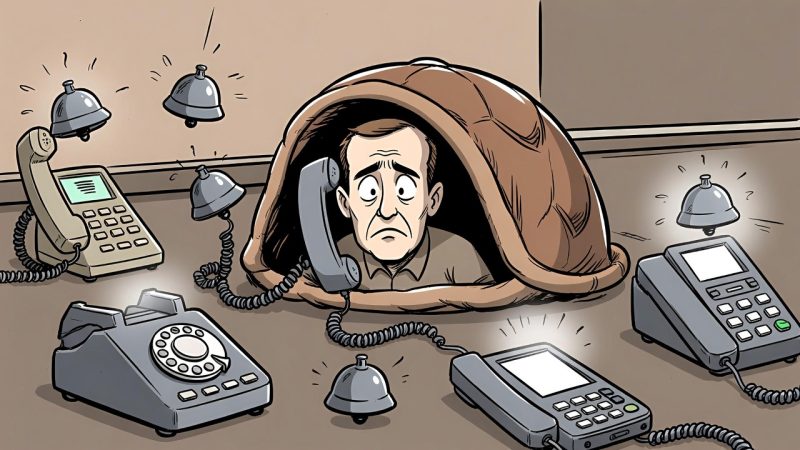
If you’ve ever worked expired listings, you know exactly what I’m about to describe.
A property goes expired. Within hours, that homeowner is getting calls from every agent in town. Day one, they might answer a few. Day two, they’re screening. By day three, they’ve pulled back into their shell. They’re not answering anyone. I call this turtling, and it’s not unique to expireds.
Any lead source where contacts are being actively pursued by multiple callers will eventually produce turtling. The contact gets overwhelmed, stops answering unknown numbers, and your contact rate drops. It looks like spam tagging. It feels like spam tagging. But it’s not. It’s human nature. People retreat when they feel bombarded.
The reality is, turtling has been a factor in low contact rates for as long as prospecting has existed. The difference now is that agents have something else to blame it on.
What can you do about it? Timing and attempt management matter here. Mojo lets you set call attempt ranges so you can focus on contacts with fewer attempts first, the ones who haven’t had a chance to turtle yet. You can also use list rules to automatically move high-attempt contacts to a slower follow-up cadence instead of continuing to pound them with calls.
Here’s a tip used by many of our seasoned, experienced Realtor clients: if you suspect turtling, wait a week or so and give it another try. Usually, that’s enough time for the homeowner to collect their thoughts and be ready to re-engage the topic of listing their home. Your competition likely stopped calling them feeling it was a waste of time. This is a smart, purposeful approach to dealing with turtling, and it works.
This one is more common in team environments, and it can quietly wreck your numbers.
Picture this. A broker loads up an expired list and assigns three agents to call it. All three start dialing at the same time, from the same list. Now instead of that homeowner getting one call, they’re getting three in the span of ten minutes. To them, it feels like an assault. They stop answering. They might even block the number, not because it’s spam tagged, but because they’re annoyed.
I’ve seen teams do this without even realizing it. Each agent thinks they’re working independently, but the homeowner on the other end is seeing a pattern of aggressive, repetitive contact from what looks like the same company.
Mojo’s calling modes can help here. When agents choose the option to call from where they last left off, the system keeps track of who has already been called across the team. This prevents agents from stacking calls on the same contacts back to back. It’s a simple setting that makes a meaningful difference.
Here’s one that doesn’t get enough attention. Over time, every calling list accumulates dead weight, disconnected numbers, old landlines nobody uses anymore, numbers that have been reassigned. Every time you dial one of these, it counts against your session productivity. You’re burning through dials on numbers that were never going to connect, and it makes your contact rate look worse than it should be. Old, unmanaged lists are filled with numbers that are going nowhere, and every dead dial is a dial that could have gone to a live prospect.
This is one of the reasons we implemented monthly updates to imported Lead Store data inside Mojo. Every month, we refresh the underlying data so the records you’re working with stay current, which dramatically reduces the presence of stale numbers and keeps your contact rate honest.
The fix isn’t complicated. Regularly clean your lists. Use list rules to archive contacts after a certain number of failed attempts. Pay attention to your Bad Number and Disconnected results, if those are making up a big chunk of your session, your list needs maintenance, not a new caller ID.
This is a misconception I run into constantly. An agent turns on Reputation Guard, gets their caller IDs whitelisted, and then looks at their session results expecting to see a dramatic jump in live contacts. When they still see a healthy number of voicemails and answering machines, they assume the whitelisting didn’t work.
Now, I want to be fair here, automatic voicemail delivery is a real thing. Some carriers and phone apps will route unknown calls straight to voicemail without ringing the phone at all. I’m not ignoring that. It happens, and unfortunately, there isn’t a lot you can do about it in most cases. If you’re not in their contact book, their phone might put you to voicemail.
But here’s the part I want you to really sit with. Whether a voicemail landed because the person didn’t answer, or because their carrier or phone software sent you straight there, the end result is the same, your message is now in their inbox. And voicemails lead to callbacks. Some of the best inbound calls Mojo users generate every day come from prospects listening to a voicemail and deciding to pick up the phone. A voicemail isn’t a failure. It’s an opportunity to generate an inbound call on your terms.
One more thing worth remembering: voicemails have been a common call result since long before spam tagging was even a concept. We were getting voicemails in the analog predictive dialer days. We were getting voicemails before STIR/SHAKEN existed. It’s part of the game. Treat them as a lead generation tool, not a symptom of a broken caller ID.
I remember a time when low contact rates were just… low contact rates. You looked at your list quality, your calling times, your approach, and you adjusted. There wasn’t a boogeyman to point at.
Then around 2020 and 2021, during the lockdowns, something shifted. More people started using virtual, unregistered phone numbers instead of their own registered numbers, partly out of fear that their personal number would get flagged. The support calls started changing too. Where it used to be “how do I import my list” or “how do I set up my campaign,” it became “I think I’m being spam tagged.” Almost overnight, spam tagging became the default explanation for every contact rate issue.
And as phone apps matured through 2023 and 2024, apps that screen calls, flag unknown numbers, and give consumers more control, the conversation got louder. Spam tagging became the catch-all.
Don’t get me wrong, those concerns are valid. But the rush to blame spam tagging has masked the fundamentals. The agents who are still managing their lists well, rotating through their contacts evenly, keeping their data clean, and using calling modes strategically? They’re making contacts. They’ve always been making contacts. The tools have changed, but the principles haven’t.
If your contact rates have dropped and you’ve been assuming spam tagging is the cause, take a step back and run through this checklist before changing anything with your caller IDs:
Spam tagging is a real issue, and we take it seriously. Reputation Guard exists for exactly that reason, and it’s working for our users every day. But if your contact rates aren’t where you want them, don’t stop at the spam tagging conversation. Look at how you’re managing your lists, how you’re deploying your agents, and whether your calling habits are helping or hurting your chances of getting someone on the phone.
The fundamentals of prospecting haven’t changed in 18 years. The people who pick up the phone and do the work, the right way, still get results. Make sure the basics aren’t what’s holding you back.
In an upcoming post, I might even share a recent case study from a long-time client who was struggling with his contact rate. He didn’t love the healthy calling habits we suggested he adopt, most people don’t at first, because they feel slower. But he stuck with it, and the results blew him away. That’s a story for another day.
For more on how Mojo can help you manage your caller ID reputation and prospect more effectively, visit mojosells.com.