Frequently Asked Questions
What is the best real estate CRM?
The best real estate CRM is a software solution that helps real estate professionals effectively manage their leads, contacts, and sales activities to improve productivity and close more deals.
What is CRM in real estate?
CRM (Customer Relationship Management) in real estate refers to the software and strategies used by real estate professionals to manage their interactions with clients, prospects, and other stakeholders, helping to streamline the sales process and improve customer experience.
How to get leads for real estate?
Getting leads for real estate involves leveraging digital marketing strategies, networking with industry professionals, and actively engaging with potential clients through various channels such as social media, email campaigns, and referral programs.
How to generate leads for real estate agents?
Generating leads for real estate agents involves leveraging online marketing strategies, networking, and targeted outreach to potential clients, such as utilizing social media, creating an engaging website, and participating in local community events.
How do I get real estate leads?
Getting real estate leads involves leveraging online platforms, networking with other professionals, and providing valuable content to attract potential clients. Strategies like using social media, optimizing a website, and generating high-quality leads through referrals can help you acquire new real estate leads effectively.
What features should a real estate CRM have?
A real estate CRM should have features for lead management, deal tracking, property management, client communication, and reporting to streamline real estate operations and improve sales productivity.
How can CRM improve real estate sales?
CRM can improve real estate sales by providing a centralized platform to manage lead information, track interactions, and automate sales workflows, enabling real estate agents to better nurture and convert leads into successful transactions.
What are the top real estate CRM options?
The top real estate CRM options include Salesforce, Zoho CRM, Pipedrive, Freshworks CRM, and Propertybase, which offer features like lead management, contact tracking, and task automation to help real estate professionals streamline their sales processes.
How to choose a real estate CRM?
Choosing the right real estate CRM involves evaluating features like lead management, pipeline tracking, and integration with other tools to streamline your sales processes and enhance your overall real estate business operations.
What is the cost of real estate CRM?
The cost of real estate CRM can vary depending on the features and user requirements, but typically ranges from a few dollars per month for basic plans to hundreds of dollars per month for enterprise-level solutions.
How does CRM help in lead management?
CRM systems help in lead management by centralizing and organizing all lead information, automating lead capture and qualification, and enabling sales teams to efficiently track and nurture leads throughout the sales cycle.
What are the benefits of using CRM?
The benefits of using CRM are improved lead management, enhanced customer relationships, increased sales productivity, and better data-driven decision making.
How to integrate CRM with real estate tools?
Integrating CRM with real estate tools allows users to centralize lead management, track property listings, and streamline sales workflows for a more efficient real estate business operations.
What is the role of CRM in real estate?
The role of CRM in real estate is to help real estate agents and brokers manage their client relationships, track lead generation, and streamline the sales process for more efficient and profitable real estate transactions.
How to track leads using a CRM?
Tracking leads using a CRM involves organizing, monitoring, and managing lead information centrally to enhance sales efficiency and conversion rates.
What makes a CRM effective for real estate?
A CRM (Customer Relationship Management) is effective for real estate by providing agents with centralized lead and customer data, automating sales workflows, and enabling data-driven decision-making to manage properties and clients more efficiently.
How to automate lead generation in real estate?
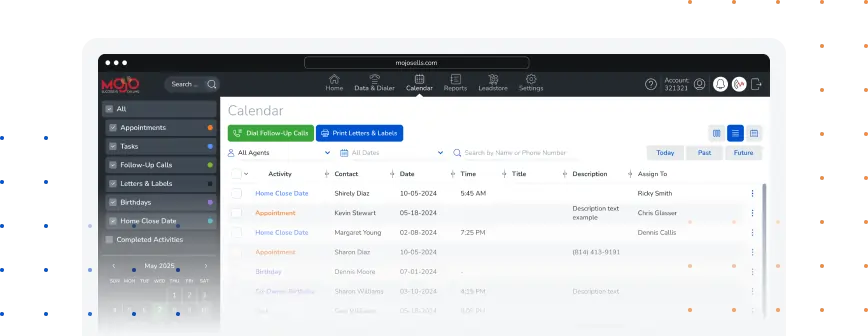
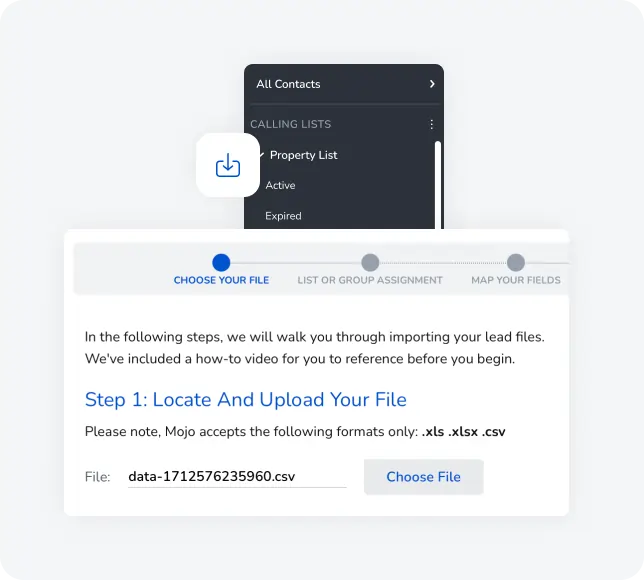
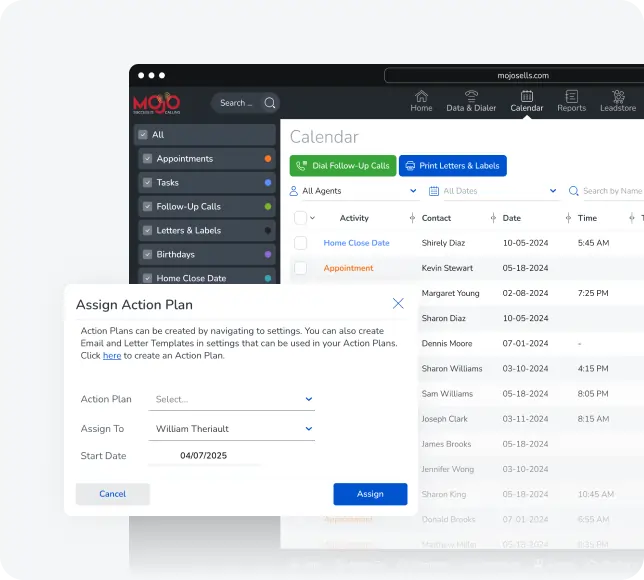
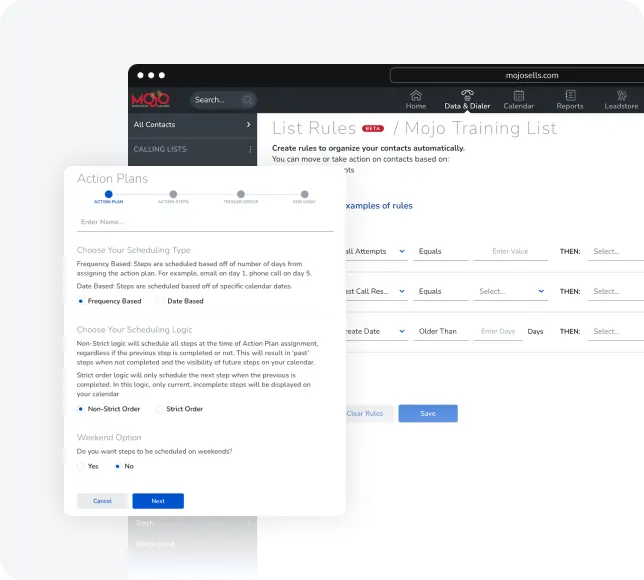
Automating lead generation in real estate can be achieved through the use of lead management software like Mojo, which streamlines the process by integrating various lead sources, tracking lead activities, and automating sales workflows to help users efficiently convert more leads.
What are common CRM features for agents?
Common CRM features for agents include lead management, contact tracking, sales pipeline management, activity logging, and reporting capabilities to help agents effectively organize, manage, and convert leads.
How to evaluate real estate CRM software?
Evaluating real estate CRM software involves assessing features like lead management, contact organization, task automation, and reporting capabilities to determine the best fit for your real estate business needs.
What is the best way to manage leads?
The best way to manage leads is to use a comprehensive lead management system that organizes, tracks, and automates the sales process, enabling efficient conversion of leads into customers.
How to use CRM for client follow-ups?
Using a CRM for client follow-ups involves logging all interactions, setting reminders, and automating routine follow-ups to ensure consistent engagement and timely responses to maintain strong client relationships.
What are the challenges of real estate CRM?
The challenges of real estate CRM include integrating multiple data sources, ensuring data accuracy, managing a large customer base, and providing a personalized user experience for agents and clients.
How to train staff on real estate CRM?
Training staff on a real estate CRM involves hands-on workshops, step-by-step guides, and ongoing support to ensure they can effectively utilize the system's features to manage leads, track client interactions, and streamline the sales process.
What data should be tracked in CRM?
The data that should be tracked in a CRM system includes contact information, communication history, sales pipeline, and customer interactions to effectively manage and nurture leads.
How to improve lead conversion rates with CRM?
Improving lead conversion rates with CRM involves seamlessly integrating lead data, automating sales workflows, and leveraging real-time insights to optimize the sales process and drive higher conversion rates.
What is the future of CRM in real estate?
The future of CRM in real estate involves increased integration with PropTech, automation of sales processes, and data-driven decision making to enhance customer experience and drive business growth in the real estate industry.
How to customize CRM for real estate needs?
Customizing a CRM for real estate needs involves integrating features like property listings, client management, transaction tracking, and automated communication workflows to streamline the sales process for real estate professionals.
What are the best practices for CRM usage?
The best practices for CRM usage include regularly updating customer information, automating sales workflows, leveraging data-driven insights, and aligning CRM usage with overall business goals to enhance lead management and sales effectiveness.
How to analyze lead data in CRM?
Analyzing lead data in CRM involves tracking lead sources, lead activity, and lead conversion rates to identify patterns and optimize your sales processes for better lead management.
What integrations enhance real estate CRM functionality?
Real estate CRM functionality can be enhanced through integrations with lead generation platforms, email marketing tools, and property listing services, allowing seamless data management and streamlined workflows for real estate professionals.